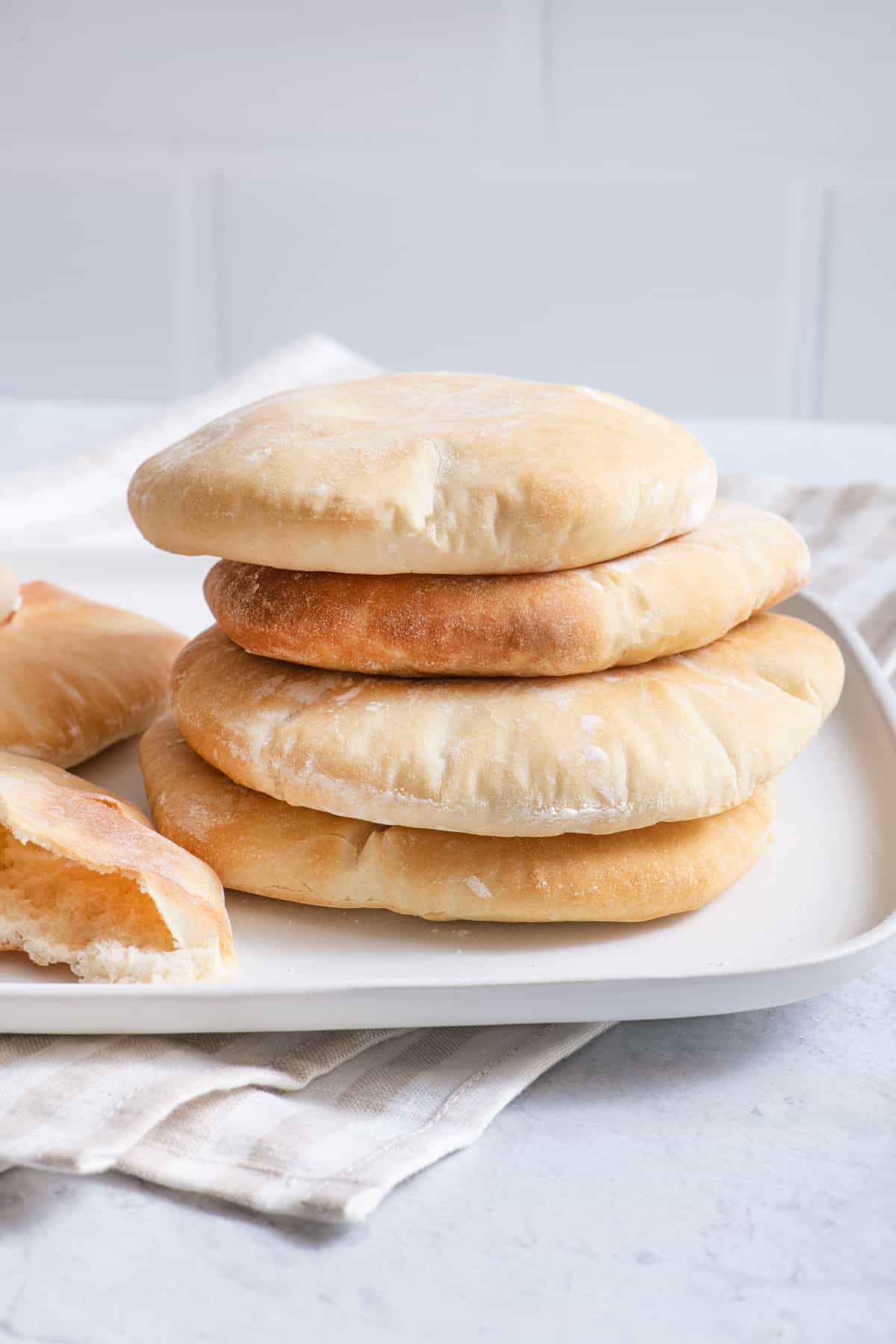
Unlocking the Secret to The Best Authentic Homemade Pita Bread
Imagine biting into a warm, pillowy soft pita, its perfect pocket ready to be filled with your favorite hummus, falafel, or perhaps just a drizzle of olive oil and za'atar. While store-bought pita can certainly do the trick, there's an unparalleled joy and flavor that comes with crafting your own. Forget what you thought you knew about baking bread – creating homemade pita bread is surprisingly simple, requiring just six humble ingredients and a little bit of love. This guide will walk you through making the best authentic homemade pita bread, ensuring a delicious and rewarding experience from start to finish.
For many, pita bread isn't just a side dish; it's a staple, a cornerstone of Middle Eastern cuisine and culture. Growing up with this versatile bread, whether for scooping rich hummus, wrapping creamy labneh with herbs, or transforming into crispy pita chips and quick pizzas, the taste of truly fresh pita is unforgettable. While the super-thin Lebanese pita often found in bakeries requires specialized machinery, our homemade version boasts a satisfyingly soft, slightly thicker consistency that is utterly delightful and achievable in any home kitchen.
Why Homemade Pita Bread Reigns Supreme
The allure of homemade bread lies in its unmatched freshness, and pita is no exception. While readily available in supermarkets, nothing quite compares to the aroma and texture of pita straight from your own oven. This recipe delivers a pita that is incredibly soft, tender, and possesses a subtle chewiness that elevates any meal. It's so good, you might just find yourself tearing off pieces to enjoy on their own, perhaps with a sprinkle of sea salt.
Beyond the superior taste, making your own pita bread offers several advantages:
- Unbeatable Freshness: Enjoy it warm, straight out of the oven – a luxury no store-bought version can replicate.
- Control Over Ingredients: Choose high-quality flours and oils, and avoid preservatives or artificial additives.
- Cost-Effective: Pantry staples are all you need, often at a fraction of the price of specialty bread.
- The Joy of Baking: There's immense satisfaction in creating something so delicious from scratch.
- Versatility at its Best: Perfect for sandwiches, dips, pizzas, or simply as an accompaniment to a Mediterranean feast.
The texture of homemade pita is one of its most defining characteristics. Unlike some denser breads, pita is designed to be pliable and create those iconic pockets. Achieving this perfect balance of softness and subtle chewiness is a testament to the simplicity and effectiveness of this 6-ingredient recipe, making it truly the best authentic homemade pita bread you can make.
Crafting The Best Authentic Homemade Pita Bread: Your 6-Ingredient Toolkit
The beauty of this recipe lies in its simplicity. With just a handful of common pantry items, you're well on your way to baking incredible pita. Each ingredient plays a crucial role in developing the flavor, texture, and structure that defines authentic pita bread.
- All-Purpose Flour: The workhorse of this recipe, providing ease and accessibility. While all-purpose works wonderfully, you can experiment with other flours. Bread flour will yield a chewier texture due to its higher protein content, while a blend including some whole wheat flour (up to 25-30%) can add a nutty flavor and increase fiber, though it might result in a slightly denser crumb.
- Instant Yeast: This is the magical ingredient responsible for the airy texture and, crucially, the puffing that creates the pita pocket. Instant yeast is convenient as it can often be mixed directly with dry ingredients without prior proofing. However, ensuring your water is at the right temperature is still vital for optimal activation.
- Granulated Sugar (or Honey): More than just a sweetener, sugar is yeast's preferred food source. It helps activate the yeast quickly and contributes to a beautiful golden-brown crust. A tablespoon is usually enough to kickstart the fermentation process without making the pita taste overtly sweet.
- Salt: Essential for enhancing the overall flavor of the bread. Without salt, bread can taste bland. It also plays a role in regulating yeast activity and strengthening gluten development. For an aromatic twist, consider adding ½ teaspoon of dried herbs like rosemary, oregano, or thyme along with the salt – a wonderful subtle Mediterranean touch.
- Olive Oil: A staple in Mediterranean cooking, olive oil adds richness, flavor, and helps keep the dough pliable and moist, preventing it from drying out. Using a good quality extra virgin olive oil will lend a subtle fruity note to your pita.
- Warm Water: The most critical ingredient for activating instant yeast. The ideal temperature range is typically between 120°F and 130°F (49°C and 54°C). Water that's too hot will kill the yeast, rendering it inactive, while water that's too cold won't activate it effectively, resulting in a flat, dense pita. Using a kitchen thermometer is highly recommended for precision.
Step-by-Step Guide to Baking Perfect Pita Pockets
Now that you have your ingredients ready, let's dive into the hands-on process of making simple homemade pita bread that truly stands out.
- Combine and Mix the Dough: In a large mixing bowl (or the bowl of a stand mixer fitted with a dough hook), combine your flour, yeast, sugar, and salt. Whisk briefly to distribute. Gradually add the warm water and olive oil, mixing until a shaggy, somewhat sticky dough forms.
- Knead Until Smooth: Turn the shaggy dough out onto a lightly floured surface. Knead vigorously for about 8-10 minutes by hand, or 5-7 minutes with a stand mixer on medium speed. The dough should transform from sticky to smooth, elastic, and no longer adhering to your fingers. It should feel slightly tacky but easy to handle. If it's too sticky, add flour a tablespoon at a time; if too dry, a teaspoon of water.
- First Rise (Proofing): Lightly grease the mixing bowl with a little olive oil, then place the kneaded dough in it, turning once to coat. Cover the bowl tightly with plastic wrap or a clean kitchen towel. Allow the dough to rise in a warm, dark place (like a turned-off oven with the light on) for 60-90 minutes, or until it has visibly doubled in size.
- Divide and Shape: Gently punch down the risen dough to release the air. Transfer it to a lightly floured surface. Divide the dough into 12 equal pieces. For consistent results, a kitchen scale is helpful here. Roll each piece into a smooth ball by tucking the edges underneath and gently rolling it against your palm or the counter until it's uniform.
- Roll Out the Pita: Lightly flour your work surface and a rolling pin. Take one dough ball and roll it out into a flat, round disc, about 6-7 inches in diameter and roughly ⅛ to ¼ inch thick. Aim for even thickness across the entire disc for consistent puffing. Place each rolled-out pita onto a small square of lightly floured parchment paper, which makes transfer to the oven much easier. Repeat with the remaining dough balls.
- Preheat and Prepare for Baking: While you're rolling out the pita, preheat your oven to a high temperature, typically 450-475°F (230-245°C). Place a baking sheet or pizza stone on the bottom rack of your oven and allow it to preheat for at least 15-20 minutes. This super-hot surface is crucial for the instant burst of steam that creates the pita pocket.
- Bake the Pita: Carefully transfer one or two rolled-out pita rounds (still on their parchment paper if using, or slide directly) onto the preheated baking sheet. Bake for 2-4 minutes. Keep a close eye on them! You'll witness the magic as they dramatically puff up like balloons. Once fully puffed and lightly golden brown on top, carefully remove them from the oven.
- Admire and Enjoy: Transfer the freshly baked pita to a wire rack to cool slightly. As soon as they are cool enough to handle, tear one open and admire the perfect pocket you've created. Serve immediately or store for later.
Expert Tips for Flawless Pita Bread
- Kneading is Key: Don't skimp on the kneading time. This develops the gluten, which is essential for the dough's elasticity and ability to trap steam, leading to those signature pockets.
- Humidity Matters: The exact amount of flour can vary based on the humidity in your environment. Always adjust as needed; the dough should be slightly sticky but not cling to your fingers.
- Even Rolling = Even Pockets: Unevenly rolled pita will puff inconsistently, or not at all. Focus on achieving a uniform thickness for each round.
- High Heat is Non-Negotiable: A very hot oven and a preheated baking surface are critical. This sudden exposure to intense heat creates an instant burst of steam inside the dough, forcing it to separate and form a pocket.
- Don't Overbake: Pita bakes quickly! Overbaking will result in dry, crispy pita instead of soft and pliable.
- Rest After Rolling: If you find your dough springing back too much when rolling, let it rest for 5-10 minutes. This allows the gluten to relax, making it easier to roll thinner.
- Storage: Once cooled, store pita bread in an airtight bag at room temperature for 2-3 days, or freeze for up to 3 months. To reheat from frozen, simply warm in a dry pan or toaster oven until soft.
Conclusion
Making the best authentic homemade pita bread is a rewarding culinary journey that brings the warmth and tradition of Middle Eastern baking right into your kitchen. From the simple satisfaction of mixing dough to the captivating moment when each disc puffs into a perfect pocket, this recipe proves that extraordinary flavor can come from minimal effort. Embrace the process, savor the aroma, and enjoy the unparalleled taste and texture of your very own fresh pita. Whether you're scooping a vibrant dip, crafting a hearty sandwich, or simply enjoying it plain, you'll agree that nothing beats homemade.
